How to Transport a Small Tractor Safely
- 4 min read
- By: William Thomas
- Updated Sep 2026
Transporting a small tractor starts with knowing its size and weight, choosing a trailer that can handle the machine, and making sure there is a safe way to load and secure it. Compact and utility tractors may be smaller than full-size farm equipment, but they still require careful planning before they go on the road.
For a short move, some tractor owners may be able to haul their own equipment with a properly rated tow vehicle and equipment trailer. Longer moves, unfamiliar equipment, limited loading access, or tractors with large attachments may make professional tractor transport the more practical option.
Before deciding how to haul your tractor, gather its dimensions, weight, attachment information, pickup location, and delivery location. Those details help determine the trailer, loading method, and transport setup the move may require.
What Do You Need to Transport a Small Tractor?
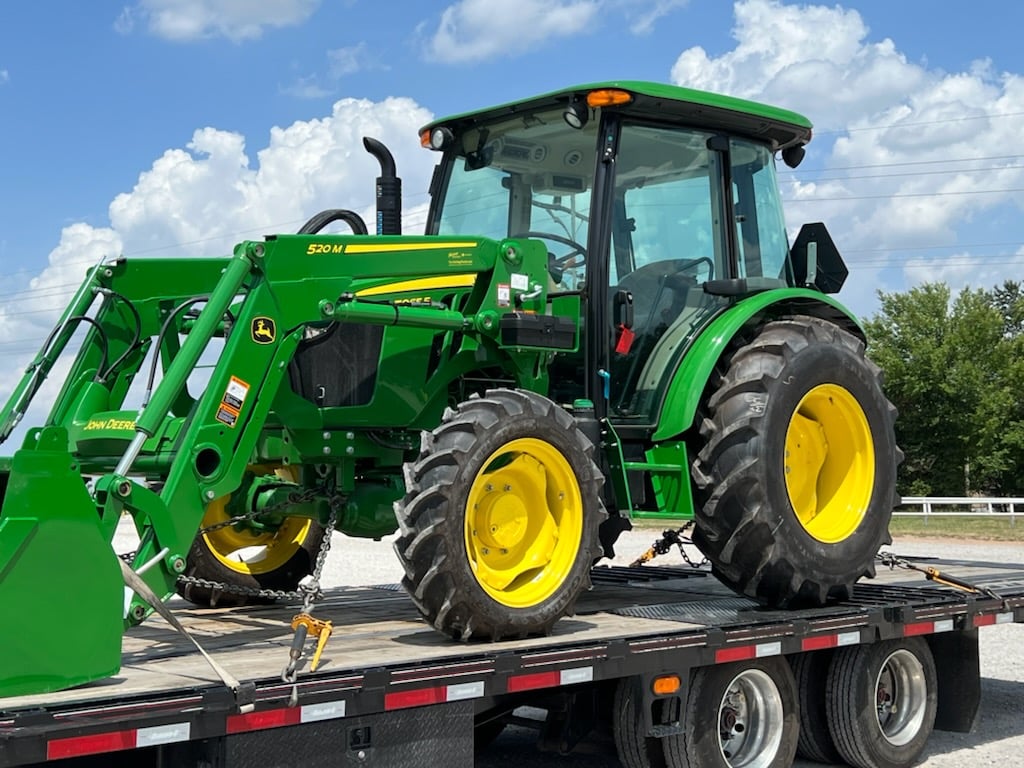
The exact setup depends on the tractor, but planning a move generally starts with:
- The tractor’s total length, width, height, and weight
- The dimensions and weight of any attachments
- A trailer suitable for the complete load
- A properly rated tow vehicle if you are hauling the tractor yourself
- A safe way to load and unload the tractor
- Appropriate cargo securement
- Enough access at pickup and delivery for the truck and trailer
Do not select a trailer based only on the tractor’s horsepower or whether the manufacturer describes it as compact. Two small tractors can have very different transport requirements depending on tires, loaders, backhoes, mowers, blades, and other attachments.


When You’re Ready to Ship,
We’re Ready to Help
We handle every step of your equipment transport safely, efficiently, and on schedule, so you can focus on what matters.
Measure Your Tractor Before Transport
Accurate dimensions are one of the most important pieces of information when planning small tractor transport.
Measure the tractor in the configuration in which it will actually be shipped.
Length: Measure from the farthest point at the front of the equipment to the farthest point at the rear.
Width: Measure the widest point of the tractor or installed attachment.
Height: Measure from the ground to the highest fixed point.
Weight: Use reliable manufacturer information or another dependable source for the tractor’s weight, then account for installed attachments, ballast, and accessories.
Attachments matter. A front-end loader, backhoe, mower, blade, or other implement can change the tractor’s dimensions and weight enough to affect trailer selection and shipping arrangements.
If an attachment will be removed and transported separately, include that information when requesting transport.

GET AN EXPERT QUOTE FOR YOUR TRACTOR SHIPPING NEEDS
Fill out the form above for a FREE quote. Call us at (877) 373-0109 to connect with a transport specialist today!
What Is the Best Trailer for Hauling a Small Tractor?
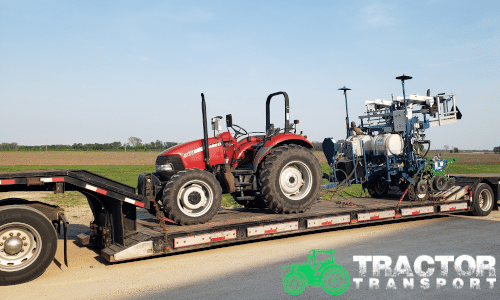
There is no single trailer that is right for every small tractor. The appropriate option depends on the tractor’s dimensions, weight, loading requirements, and pickup and delivery conditions.
Owners moving compact tractors locally may use an equipment trailer designed to carry machinery. The trailer, tow vehicle, hitch, loading equipment, and other components must all be suitable for the complete load. Loading ramps also need to be appropriately rated for the equipment being moved. Before attempting a DIY tractor haul, verify the ratings and requirements for your specific truck, trailer, tractor, attachments, and loading setup.
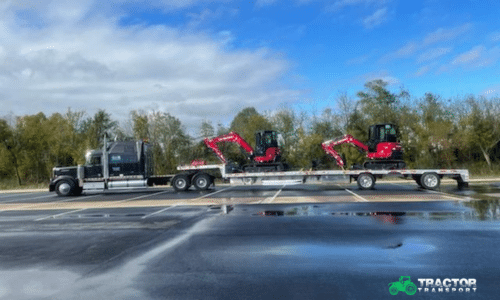
A flatbed may be used when the tractor fits the available deck dimensions and can be loaded safely. Because a standard flatbed has an elevated deck, loading conditions are important. Appropriate ramps, a loading dock, or other loading equipment may be required depending on the tractor and location.
A step-deck has a lower main deck than a standard flatbed. The reduced deck height can be helpful when the tractor’s overall height becomes a transport consideration. Step-decks tend to become more relevant as equipment size increases, but trailer selection should always be based on actual dimensions and loading needs.
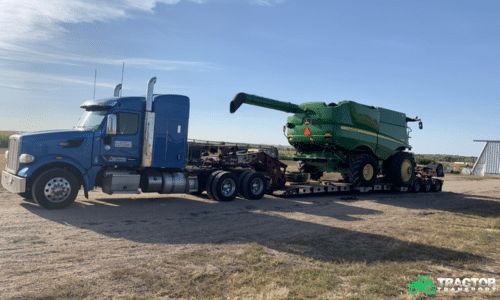
A removable gooseneck, or RGN, can be lowered at the front so machinery can be driven onto the trailer from near ground level. For many compact tractors, an RGN may be more trailer than the shipment requires. It can become useful, however, when ground-level loading is important or when the tractor and its attachments require a heavier equipment-hauling setup. If you want a closer comparison of equipment-hauling options, see our guide to the best trailers for hauling tractors.
America’s Trusted Farm Haulers
Safely and reliably hauling farm equipment nationwide since 2009.
Should You Remove Tractor Attachments Before Transport?
Sometimes, but not automatically.
Removing an attachment may reduce the tractor’s overall width, height, or length or make loading easier. In other cases, the attachment may remain installed during transport.
Attachments that commonly affect tractor shipping include:
- Front-end loaders
- Loader buckets
- Backhoes
- Rotary cutters
- Mowers
- Blades
- Forks
- Three-point implements
Before removing anything, determine how the complete tractor will fit on the trailer and whether the attachment will travel installed or separately.
If an attachment will be shipped separately, secure loose pins, hydraulic hoses, PTO components, and other removable parts before pickup.
How to Prepare a Small Tractor for Transport

Preparing the tractor before the carrier or trailer arrives can make loading easier and reduce avoidable delays.
Know whether the tractor starts, drives, steers, and brakes normally. If it does not run, provide that information before arranging transportation. A non-running tractor may require a different loading method or additional equipment. For more detail, see how to load a non-running tractor.
Remove tools, personal belongings, loose accessories, chains, and other items that could shift or fall during transport. Check removable panels, covers, and attachment components as well.
Where appropriate, place buckets, three-point equipment, and other movable components into a stable transport position. Follow the tractor or attachment manufacturer’s instructions when preparing hydraulic or removable equipment.
Take clear photos before loading, including each side of the machine and any existing damage. Photos provide a useful record of the tractor’s condition before transport.
Take clear photos before loading, including each side of the machine and any existing damage. Photos provide a useful record of the tractor’s condition before transport.
Look for potential access issues such as:
- Narrow gates
- Tight turns
- Low tree branches
- Soft or unstable ground
- Steep driveways
- Limited turnaround space
- Restricted loading areas
If the tractor is being picked up from a dealer, auction, repair facility, or other business, confirm loading hours and whether loading assistance is available.
How Is a Small Tractor Loaded for Transport?
A running small tractor may be driven onto an appropriate trailer using a loading dock, properly rated ramps, or a trailer designed for equipment loading.
The correct loading method depends on the tractor and the trailer.
The trailer should be positioned on stable ground and prepared to prevent unintended movement during loading. The tractor then needs to be positioned appropriately for the transport setup and secured before the shipment begins.
A non-running tractor may require different loading equipment.
For a more detailed look at the process, read our guide on how to safely load and unload farm equipment.
If you do not have the right equipment or are uncertain whether your trailer, ramps, or towing setup can safely handle the tractor, do not improvise a loading method.
Can You Haul a Small Tractor Yourself?
Some small tractors can be owner-hauled, particularly for shorter moves, but the word “small” does not automatically make the move simple.
Before hauling a tractor yourself, verify:
- Tractor weight
- Attachment and implement weight
- Trailer capacity
- Tow-vehicle capacity
- Hitch and towing setup
- Ramp or loading equipment capacity
- Overall loaded dimensions
- Cargo securement requirements
- Applicable towing requirements for the route
The complete load includes more than the base tractor. Attachments, ballast, implements, fuel, and the trailer itself all affect the towing setup.
If you cannot verify that the complete combination is within the appropriate ratings, professional tractor transport may be the more practical option.
Will a Small Tractor Need an Oversize Permit?
Many compact tractors can be transported within standard dimensions, but being classified as a “small tractor” does not guarantee that the complete load will remain within those limits.
Attachments can make a significant difference. Wide implements, backhoes, loaders, mowers, tires, or other equipment can change the overall transport dimensions.
Permit requirements depend on the actual loaded dimensions, route, and jurisdictions involved.
If your tractor or attachments may create an oversize load, provide accurate measurements before pickup so the transport requirements can be determined.
For larger or wider equipment, see our oversize farm equipment transport service information.
You can also learn more about when equipment crosses into oversize territory in our guide to when a tractor transport is considered oversize.
What Does It Cost to Transport a Small Tractor?
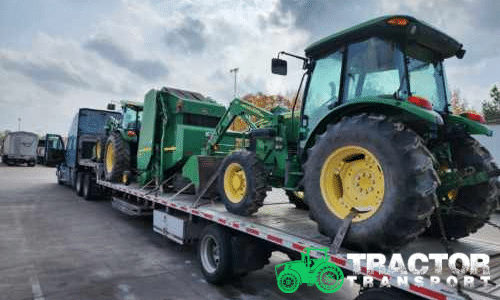
Small tractor shipping does not have one meaningful flat rate because each shipment has different equipment, distance, loading, and trailer requirements.
Factors that can affect the shipping quote include:
The pickup-to-delivery route is a major part of the shipment.
These help determine which transport equipment can accommodate the tractor.
A loader, mower, backhoe, blade, or separate implement may require additional trailer space or change the loading plan.
Different equipment configurations may call for different trailer types.
Farms, residential properties, dealers, auctions, and repair shops can all present different access and loading conditions.
A tractor that cannot be driven onto the trailer may require additional loading arrangements.
Equipment exceeding standard dimensions may involve permits or routing considerations.
Pickup requirements and flexibility can affect how the shipment is arranged.
Because these variables differ from one tractor to another, the most useful way to determine shipping cost is to request a quote using the actual tractor and route information.
What Information Do You Need for a Small Tractor Shipping Quote?
Before opening the quote form, gather the information a transporter will need to understand the shipment.
Have the following ready:
- Tractor make and model
- Length
- Width
- Height
- Weight
- Installed attachments
- Separate implements that also need to be shipped
- Whether the tractor runs and drives
- Pickup city and state
- Delivery city and state
- Pickup access information
- Delivery access information
- Preferred shipping dates
Photos of the tractor and attachments can also help clarify the equipment configuration.
Providing accurate information from the beginning makes it easier to determine what type of trailer and hauling setup the tractor requires.
America’s Trusted Farm Haulers
Safely and reliably hauling farm equipment nationwide since 2009.
When Does Professional Small Tractor Transport Make Sense?
Professional tractor shipping may make sense when:
- You do not have a properly rated truck or trailer
- The tractor needs to travel a long distance
- You purchased it from an out-of-state dealer or auction
- The tractor does not run
- Loading equipment is unavailable
- Attachments make the load more complicated
- The tractor may exceed standard transport dimensions
- You do not regularly haul agricultural machinery
Professional transport also removes the need to choose and coordinate all of the hauling equipment yourself.
If you are still comparing options or need information about moving other tractor sizes, visit our tractor transport services page.
Ready to Ship Your Small Tractor?
Once you know your tractor’s dimensions, weight, attachments, pickup location, and delivery location, you have the information needed to start planning the shipment.
You do not need to determine the trailer type or transportation setup on your own before requesting pricing. Provide the equipment information you have, including whether the tractor runs and whether loaders, mowers, backhoes, or other implements need to travel with it.
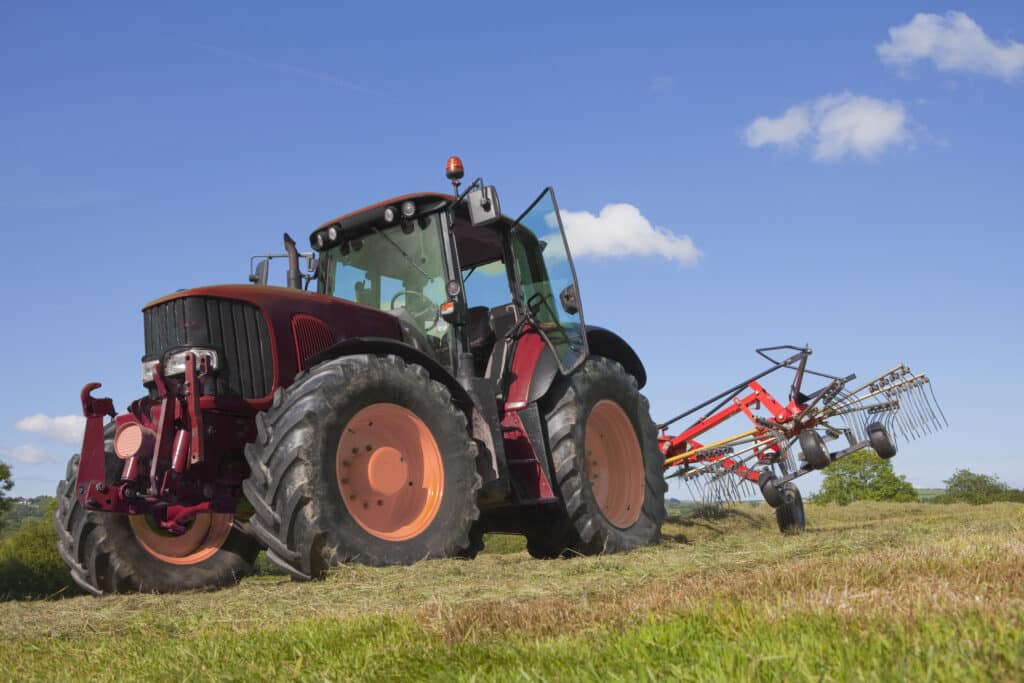
Get a Small Tractor Shipping Quote
If you are ready to move your tractor, start a Small Tractor Shipping Quote.
Before opening the quote form, it helps to have these details ready:
- Tractor make and model
- Pickup and delivery locations
- Tractor dimensions and weight
- Attachments or implements
- Whether the tractor runs
- Preferred shipping date
The quote form will begin with your origin and destination and then collect additional shipment details needed to understand the move.
Ready to price your shipment? Get a Small Tractor Shipping Quote!
Popular Articles
SERVICES
Tractor Hauling
We ship heavy and oversized tractors nationwide and to every state, including Alaska and Hawaii.
Trailer Shipping
We offer the best trailer to ship your farm equipment from flatbeds, RGNs, step decks, and more.
LTL Shipping
Your smaller farm equipment can share trailer space with other transports, often lessening costs.
Farming and Agriculture Transport
We offer custom farming and agriculture equipment transport solutions.
Drive-Away
A driver will get behind the wheel of your vehicle or equipment and drive it to the delivery destination.
International Transport
Ship your farm equipment to Canada or Mexico. We also offer port-to-port options for overseas shipping.