Speak To A Live Specialist
The success of a farm business is dependent on the available farm equipment and ease of transport. Good farm equipment make farming easier, efficient, and more productive. The equipment have to be constantly monitored and maintained to ensure they are working at their optimum. Regardless of how often they are maintained, however, there finally reaches a time to replace them. Below are a few classic equipment that were used before but have now been replaced
Farm equipment have undergone numerous transformation over the years. These transformations lead to the ditching of farm equipment that were thought to be classic for newer and better ones in the market. When this happens, manufacturers stop making such equipment.
Below are some of the equipment that have long been replaced and are not under production any more:
Farmers used to harvest standing grain and cut grass using scythes and sickles. A thin curved blade could be attached to a straight shaft in both implements and then cut the grain at ground level. A sickle is shorter and has a handle for cutting small amounts of grass, whereas a scythe is longer and can cut at ground level while still standing. Today scythes and sickles are rarely used because they have been replaced by motor-mowers and mounted reapers.
We handle every step of your equipment transport safely, efficiently, and on schedule, so you can focus on what matters.
Dibbles were used to manually poke holes on the ground for planting seeds and seedlings. One person had to go poking holes as another followed to drop seeds in the holes. Today dibbles are still in use but majorly by small-scale farmers. Large-scale farmers mainly use drills and planters.
Fill out the form above for a FREE quote. Call us at (877) 373-0109 to connect with a transport specialist today!
It was invented in 1701. Before this great invention, sowing of seeds in farms was done by scattering them following a certain pattern by hand or placing them in a tilled ground individually. This method caused the wastage of many seeds because they never grew. Following this, Jethro Tull invented and fabricated the seed drill to help sow the seed more efficiently. The seed drill was the first agriculture machine with moving parts. Today the precision seed drill is used in place of Jethro Tull’s drill.
This vintage farm equipment consisted of a metal pan with a row of spikes to catch blueberries and cranberries in the tray leaving the leaves to move through the spikes. Today berries are either handpicked and place in punnets or harvested by a large machine that catches the ripe berries in a catching frame.
There are many reasons why classic farm equipment are no longer manufactured. Below are some of them:
To Minimize Costs:
When the annual total cost of owning and operating a piece of equipment begins to increase, it is always advisable to change. Continuing to use the equipment puts you at a risk of spending heavily on repairs in return for low-interest rates.
Reliability
Farm equipment should be reliable for farming to be successful. Planting/harvesting, for example, goes with seasons. If plants are not planted or harvested at their optimal time, timeliness costs are incurred. As such farm equipment that often break down need to be replaced.
New Technology
The introduction of new technology can make perfectly working equipment obsolete. This is especially so if the new equipment is better and more efficient.
Small Capacity
If production increases significantly, there may be a need to acquire an equipment with a bigger capacity.
Pride of Ownership
Owning a piece of equipment that is new in the market is prestigious, particularly if it makes farming convenient and comfortable without increasing long-run costs.
Change in Farming Methods and Techniques
With time, people tend to change how they do things. This is no exception when it comes to farming. When farmers adopt a new way of tilling the land or caring for the plants and/or animals, agricultural engineers tend to collaborate with innovators to develop modern and better machines to accommodate the new ways of farming.
Introduction of Versatile Farm Machineries
Unlike older machines designed for a particular purpose, modern technology has helped engineers come with more powerful and tech-loaded multipurpose machines capable of performing even more than four different farming processes. Such powerful machines diminish the use of farming machines that are only good for a particular job.
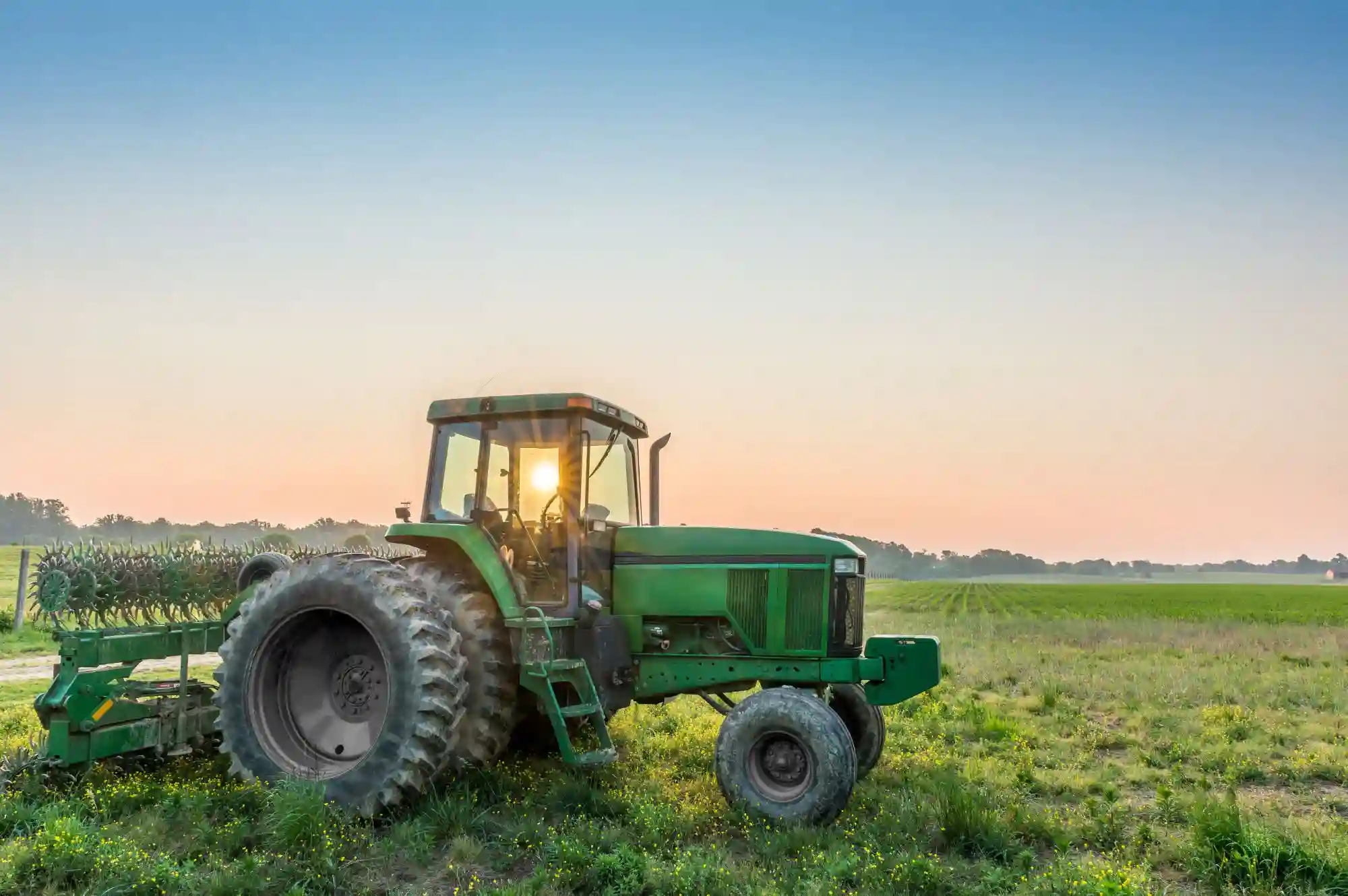
When the farm equipment you have been using are no longer manufactured, and you have thought it suitable to replace them, you need to develop a strategy that will help you do the replacements smoothly. Below are some tips.
Replace Annually
Farm equipment are expensive, and replacing all of them at the same time might be very costly. To avoid large cash outlay in one year, replace one or two pieces every year.
Do Frequent Replacements
Frequent replacements minimize the risk of breakdowns and expensive repairs by replacing key machinery every few years. The replacements usually happen before the warranty expires, meaning that the repairs are covered in case of a breakdown. This strategy is often followed by large farmers who can be severely affected by extended downtime.
Replace When Cash Is Available
Major machinery replacements can be left to when the cash income is higher than average. That way, a purchase does not cut into funds intended for other purposes.
Trade in with Newer and Better Machinery
Trade-in is a better strategy in that it will not only save you some cash, but it will also help you efficiently get rid of machines that you might no longer need. Besides, it will save you the hustle of selling your old machines or dealing with constant breakdowns—in case you choose to continue using them.
Safely and reliably hauling farm equipment nationwide since 2009.
We ship heavy and oversized tractors nationwide and to every state, including Alaska and Hawaii.
We offer the best trailer to ship your farm equipment from flatbeds, RGNs, step decks, and more.
Your smaller farm equipment can share trailer space with other transports, often lessening costs.
We offer custom farming and agriculture equipment transport solutions.
A driver will get behind the wheel of your vehicle or equipment and drive it to the delivery destination.
Ship your farm equipment to Canada or Mexico. We also offer port-to-port options for overseas shipping.