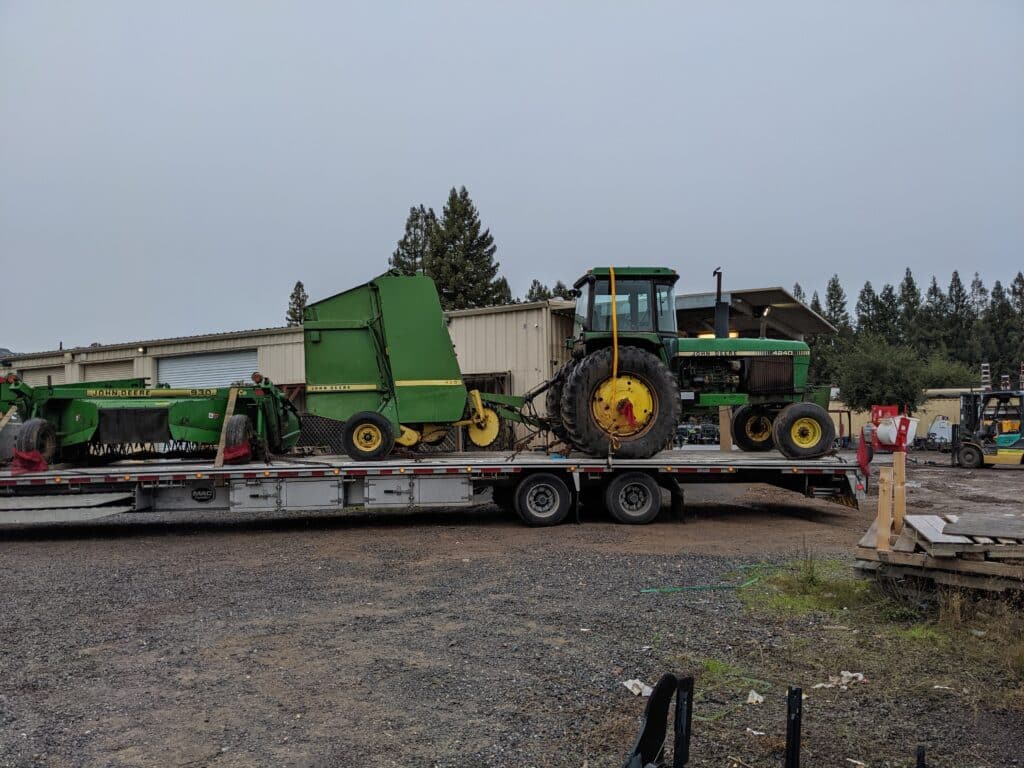
Also known as combine, combine harvestersare designed to harvest different types of grain crops. Naturally, it combines four different operations, including harvesting, threshing, gathering, and winnowing, into one major process. Combine harvesters are mostly used to harvest maize (corn), soybeans, canola, sunflower, wheat, oats, rye, flax, and barley. After threshing, the grains are separated from their straw, including the stems, some less nutritious leaves, and other materials mostly left on the farm.
The straw is then chopped and stored to be fed to the farm animals or spread on the field to dry for livestock feed conservation purposes. You can also bale them and use them as animal bedding or plough it back to the farm to enhance fertility. Clearly, combines are some of the most economical machinery on the farm, especially when it comes to labor and cost-saving.
Common Types of Combine Harvesters Transported
1
Controlled Combine Harvesters
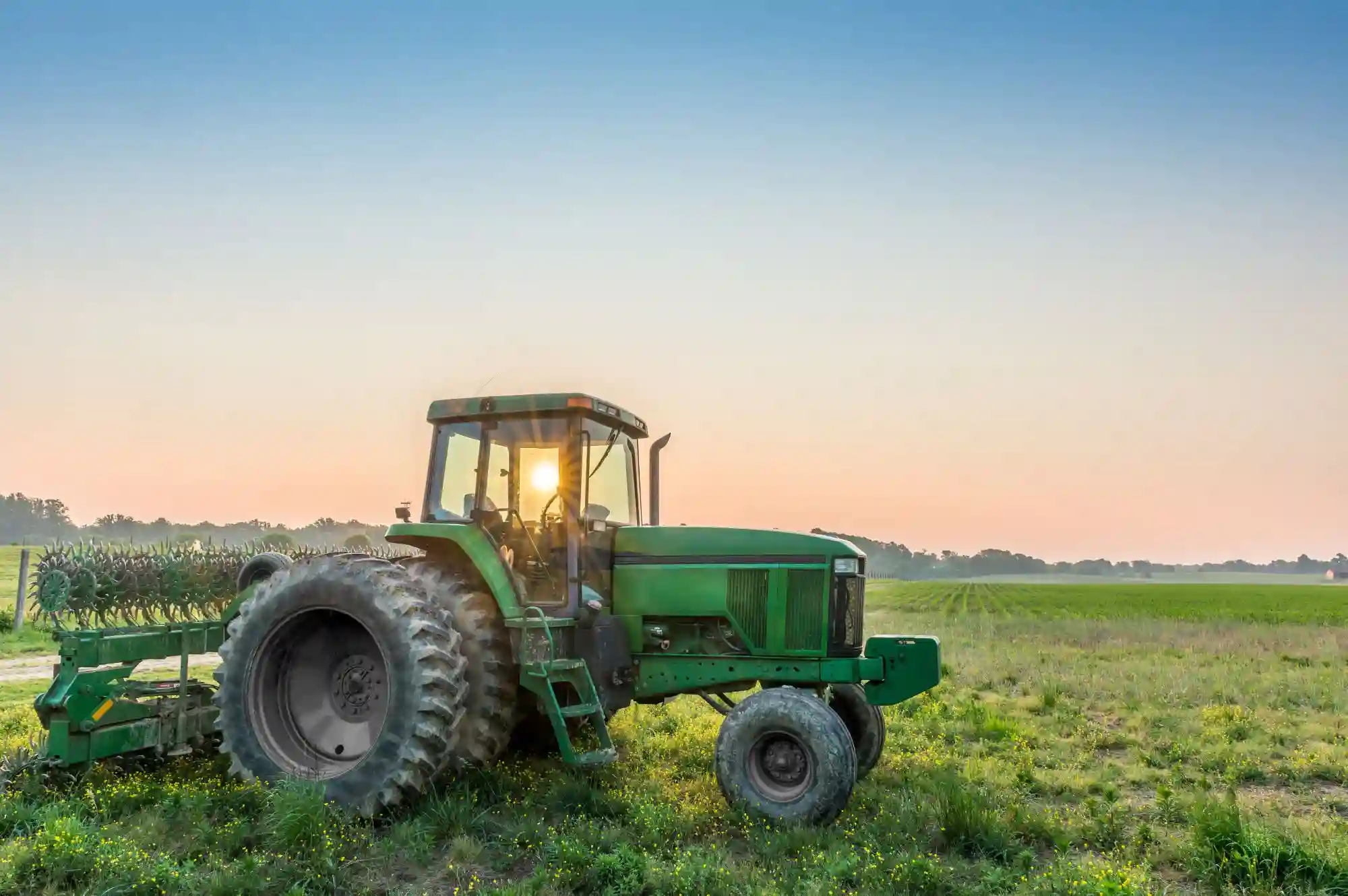
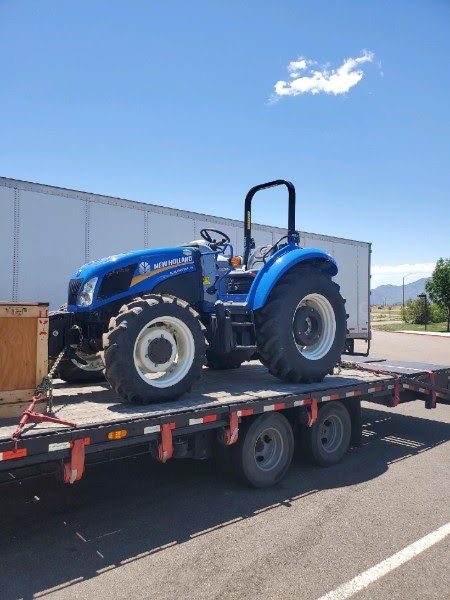
They are commonly known as tractor-pull combines, pull-type combines, or tractor combines. Ideally, the combines are hooked to a farm tractor, which generates the puling force for the machine. The tractor’s power take-off shaft can also power such operations as thrashing, chopping, and separating. There is also another type of controlled combine harvesters build with a slightly different working mechanism. It is powered by a tractor but has an additional engine mounted on it, facilitating cutting, thrashing, and any other operation. Suffice to say, these types are more convenient and therefore mostly used by many farmers around the world.
2
Self-Propelled Combine Harvesters
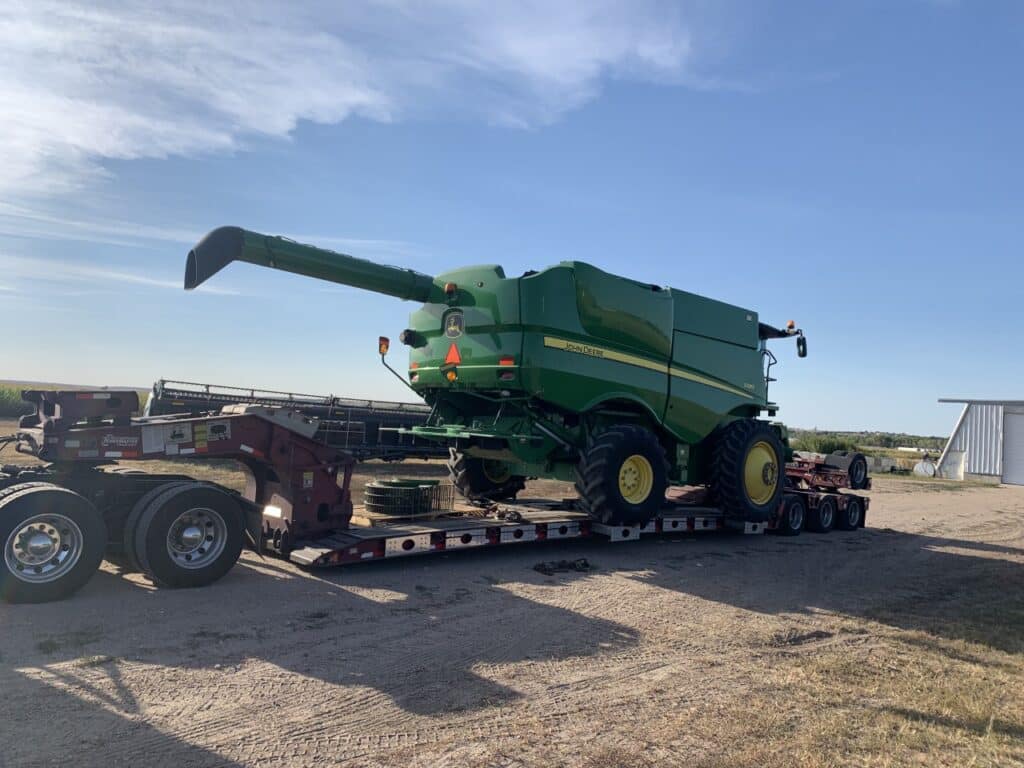
Self-propelled combines power and run themselves using an engine attached on its top. As such, the engine plays two vital functions of powering and driving the machine as well as performing harvesting operations. There are two types of self-propelled harvesters- conventional and rotary (axial flow) combine harvesters.
The conventional combine has the tangential threshing system and straw walkers as its main components. However, in the rotary combine harvesters, these compartments are replaced by an axial flow threshing system.
3
Conventional Combine Harvesters
The crops are laterally fed to the feeder throat then to the combine’s threshing mechanism. The tangential threshing system is composed of a rotary threshing drum and concave, which can be manually and automatically adjusted. The cylinder’s adjustability is quite essential as different crops have different threshing processes. The threshing mechanism is primarily due to the impact of Grooved steel bars on the incoming crops. Also known as rasp bars, groove bars also separate the grains from the straws and chaff. The straw walkers clean up the remaining straw from the crop while a cleaning shoe is responsible for scalping and final cleaning.
4
Rotary Combine Harvesters
In a rotary harvester, the tangential threshing system has been replaced with a larger rotary threshing-separating unit. The crops are channeled into the feeding zone then smoothly move along a spiral path into the threshing space. The rotary combines have the following advantages:
Reduced damage on delicate grains
Reduced grain loss
It requires fewer adjustments and other maintenance practices
However, rotary combine harvesters come with more power requirements, which can translate to higher operational costs. Besides, the cleaning shoe game tends to overcharge owing to the high level of MOG disintegration.
When You’re Ready to Ship, We’re Ready to Help
We handle every step of your equipment transport safely, efficiently, and on schedule, so you can focus on what matters.
How to Ship Combine Harvesters With Tractor Transport
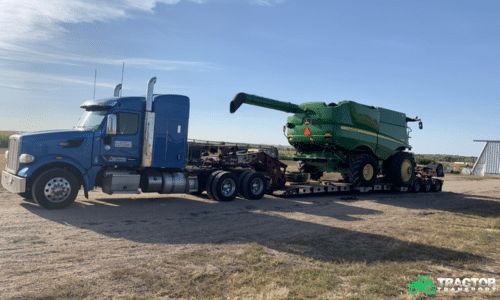
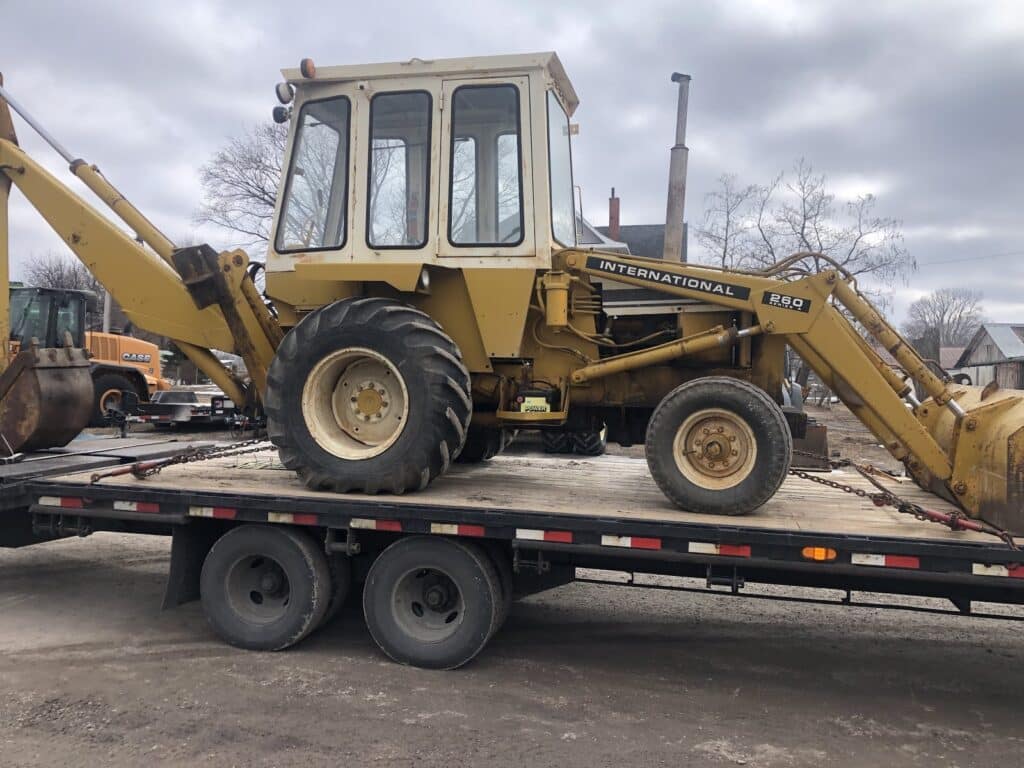
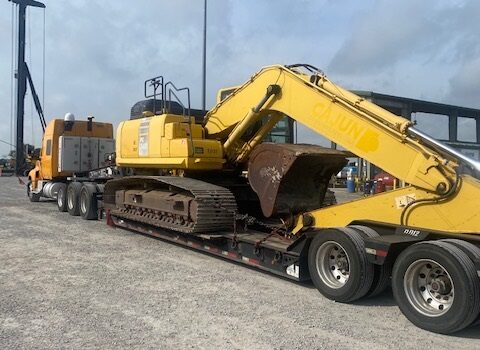
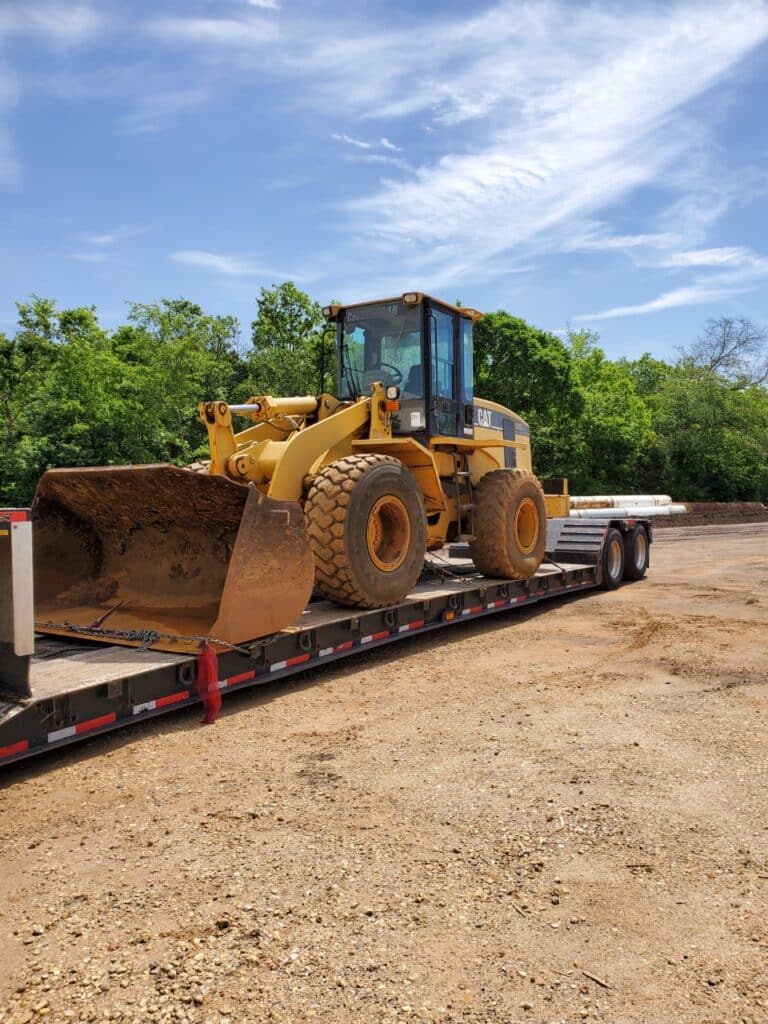
Combine harvesters come in different dimensions which will determine its hauling option. As such, you can ship combines using a flatbed trailer, a step deck trailer or a removable goose neck. A flatbed is a great trailer option especially when your combine is less than 8-1/2 inches tall, or when transporting combines with wheels removed. On the other hand, RGN trailers work best for oversized and heavy combines. The trailer comes with a drop-down well which holds the equipment much lower to the ground. This makes it easy to transport heavy equipment evading height permit issues and other constrains. What’s more, the trailer can be lowered further close to the ground creating a ramp which facilitates easy and safe loading of such large equipment.
Whether you are shipping a combine to a client’s door step or a job site, Tractor Transport has your back. Once you contact us with your hauling needs, we will guide you through the entire process guaranteeing you the ultimate peace of mind. We will help you determine your load dimensions to connect you with the most convenient hauling option. We save you the extra-cost and hassle that comes with self-hauling including acquiring the necessary permits and the related paperwork. You can therefore kick back as we handle everything right from dispatch to delivery without delay or derail.
GET AN EXPERT QUOTE FOR YOUR TRACTOR SHIPPING NEEDS
Fill out the form above for a FREE quote. Call us at (877) 373-0109 to connect with a transport specialist today!
America’s Trusted Farm Haulers
Safely and reliably hauling farm equipment nationwide since 2009.