Technological advancements keep surprising farmers with modern equipment each day. The demand for harvesting equipment is usually high during the harvesting months, summer and spring. Farmers may want to acquire the best threshers, balers, and other essential farm equipment, which offers numerous gains. They may be required to transport their farm equipment occasionally, and understanding how to do this right is vital. The procedure can be hectic if you lack the proper technique. Careful planning is essential to ensuring the safe hauling of farming equipment.
The Top Tractor Manufacturers in The United States
When transporting harvesting equipment, agricultural professionals and farmers can choose from these options:
1
Size and Weight of the Equipment
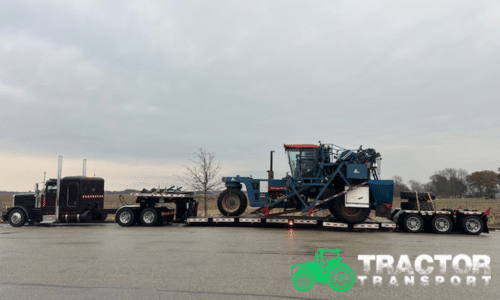
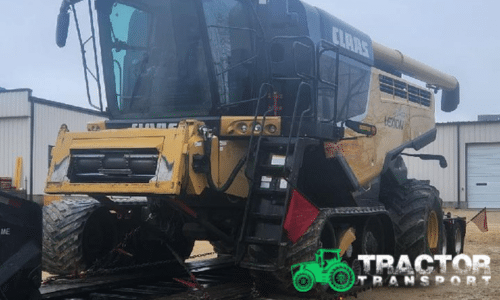
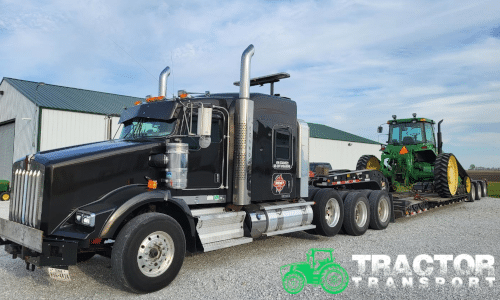
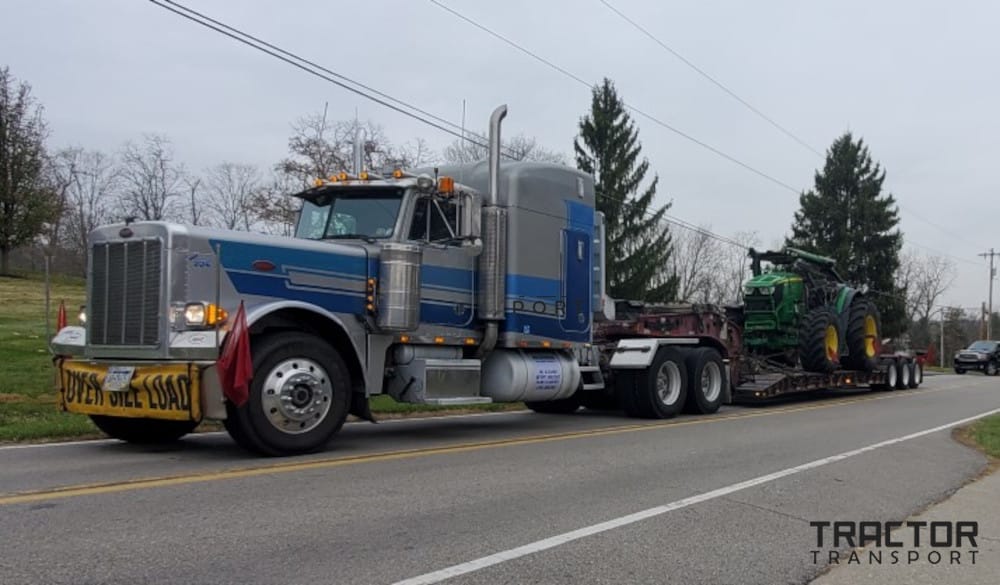
Most harvesting equipment, like combine harvesters and threshers, is large and heavy and exceeds the weight limits of standard vehicles. This may require specialized trailers, flatbed trucks, or low-loaders with the required load capacity. A flat-deck trailer is standard for combines shorter than eight feet. The dimensions of the transport vehicle should fit the equipment securely to avoid damage during transit. Oversized machines require a removable gooseneck trailer to accommodate taller, heavier loads.
2
Distance and Terrain
The distance between the harvesting location and destination is crucial in choosing the right vehicle. Longer distances and challenging terrains like rough roads and steep hills require potent cars. Specialized transport vehicles equipped with cranes and ramps may be necessary for long-distance hailing. Combine harvesters need a trailer with sliding outriggers for easy loading and a broad base for placement. For shorter distances, it may be feasible to drive the equipment itself.
3
Cost and Budget
Different transport options have varying costs, including fuel expenses, transportation fees, and maintenance costs. For example, a professional hauling service requires a higher budget than self-transportation. Opting for professional services provides insurance coverage and expert handling of heavy machinery, minimizing damage risks during transport. Ensure you consider the long-term implications of the transport options that suit your budget.
3
Time Efficiency
The agricultural industry is time-sensitive, especially during the harvesting season. Choosing a transport option that ensures timely equipment delivery impacts operations’ overall efficiency. Consider the availability and speed of the transport method you choose. Self-propelled transport options are readily available but may be slower than specialized transport vehicles. Prior coordination with transportation services ensures timely equipment arrival, minimizes downtime, and maximizes productivity.
3
Safety Considerations
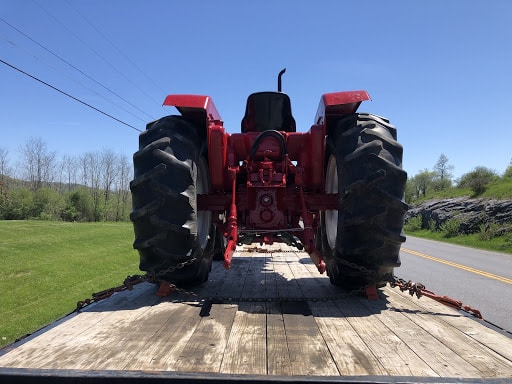
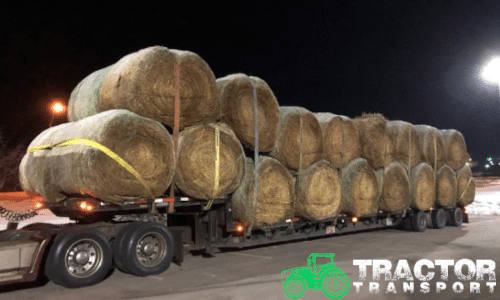
Safety should be a top priority when transporting harvesting equipment. It’s essential to properly secure the gear on the vehicle to prevent damage or movement during transit. The appropriate restraints to use for stabilizing the equipment include:
Chains
Straps
Braces
It’s also essential to consider the safety of other road users when hauling oversized and heavy machinery. Display warning signs using escort vehicles or pilot cars and adhere to traffic rules to facilitate safe transportation.
3
Legal Requirements and Permits
The transportation of heavy farm equipment features various sizes and awkward dimensions, making it overweight and oversized loads. This necessitates hauling using specialized trailers, requiring a transport permit. A class 5 intermediate stage license or higher is needed to operate agricultural equipment on urban area roads and provincial highways. Different jurisdictions have specific regulations regarding transporting overweight or oversized equipment on public streets.
Familiarize yourself with the local regulations and obtain the necessary permits and escorts. Violating legal requirements can lead to potential damage to the equipment, delays, and fines. Consulting with local authorities or transportation professionals can help ensure compliance with all legal obligations.
When You’re Ready to Ship, We’re Ready to Help
We handle every step of your equipment transport safely, efficiently, and on schedule, so you can focus on what matters.
When transporting harvesting equipment, agricultural professionals and farmers can choose from these options:
1. Self-Propelled Transport
This transport option involves driving the harvest equipment to the required location. It’s viable for short distances or when the harvesting equipment is designed for road travel. The following features characterize road legal equipment:
Proper lighting
Signaling
Compliance with weight restrictions.
2. Specialized Transport Vehicles
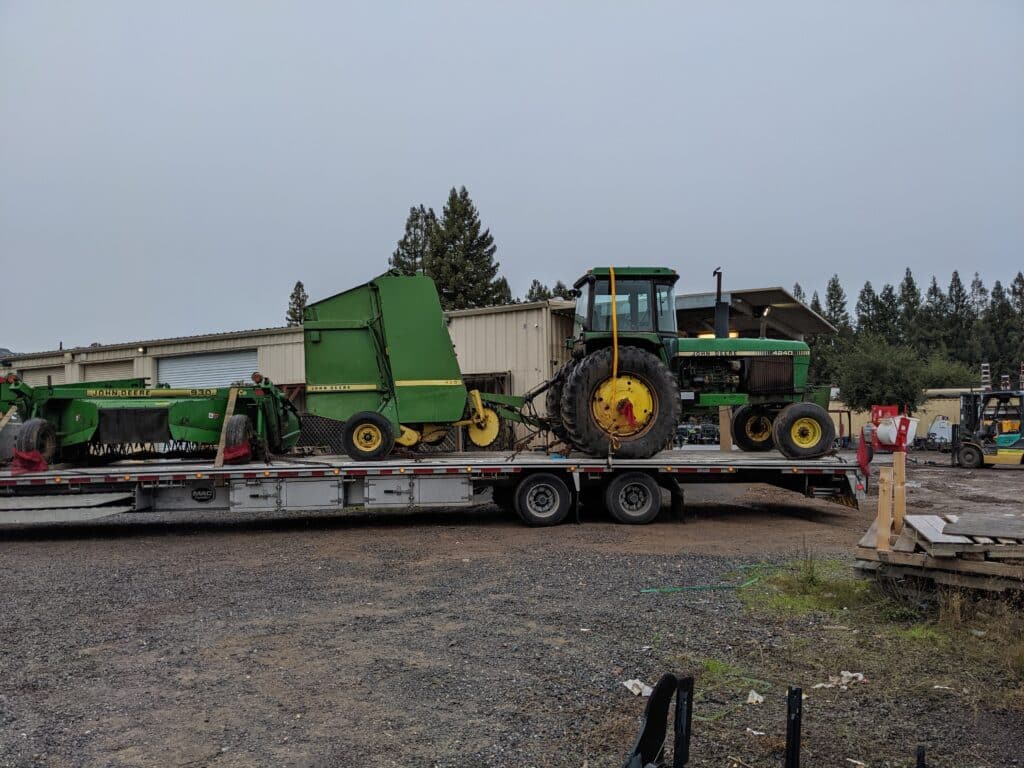
These vehicles offer sufficient load capacity and structural support to accommodate the harvesting equipment. For instance, the recommended transport for balers is a step-deck trailer.
3. Hauling Services
This option entails hiring professionals specializing in the transportation of heavy machinery. Companies providing hauling services have skilled drivers and specialized equipment to handle oversized and heavy loads.
GET AN EXPERT QUOTE FOR YOUR TRACTOR SHIPPING NEEDS
Fill out the form above for a FREE quote. Call us at (877) 373-0109 to connect with a transport specialist today!
Optimizing Your Harvesting Equipment Transportation
There are various options to choose from regarding transporting harvesting equipment. Consider the advantages of each choice and select the most suitable transport option. This is essential to ensuring the safe and efficient movement of harvesting equipment.
America’s Trusted Farm Haulers
Safely and reliably hauling farm equipment nationwide since 2009.